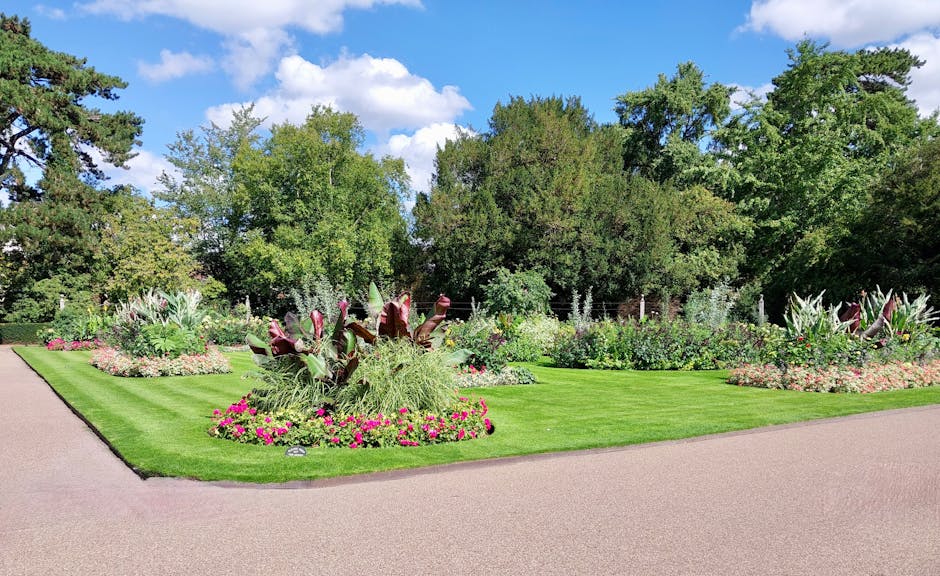
Stoke Newington gardeners Clissold Park garden care guide

If you live near Clissold Park, you already know gardens here have a bit of a personality. Some plots are sheltered and leafy, others catch wind across open boundaries, and many are juggling clay soil, shade from mature trees, and the usual London mix of dust, foot traffic, and sudden weather swings. That is exactly why this Stoke Newington gardeners Clissold Park garden care guide matters: it gives you a practical way to keep a garden healthy, tidy, and enjoyable without working against the local conditions.
Whether you are maintaining a small front garden, a family back garden, a rental property, or a shared communal space, the basics stay the same: regular mowing, sensible pruning, seasonal feeding, healthy soil, and a realistic plan for weeds, drainage, and waste. The trick is doing those basics in the right order, at the right time, and with a bit of local judgement. Truth be told, that is where many gardens go from "fine" to genuinely thriving.
This guide walks through how local garden care works, what to prioritise around Clissold Park and wider Stoke Newington, and when it makes sense to bring in a professional. If you want a broader look at what a local team can cover, the services overview is a useful starting point.
Why Stoke Newington gardeners Clissold Park garden care guide Matters
Gardens around Clissold Park are shaped by more than plant choice. The local environment influences everything. Shade from trees can be a blessing in summer, but it also means moss, slower drying after rain, and areas where lawn can thin out. Busy roads nearby can leave a film of grime on leaves. Some front gardens get very little direct sun. And once you add London's stop-start rainfall, you get a garden that needs attentive, regular care rather than occasional big fixes.
A good garden care routine prevents small issues from becoming expensive ones. A patch of weeds left alone for a month becomes a spreading problem. A lawn cut too short in a dry spell turns brittle and patchy. Shrubs left unpruned can crowd paths, block light, and encourage poor air circulation. To be fair, most of this is avoidable with a steady, seasonal approach.
This is also about how a garden feels to live with. A neat border or well-kept lawn changes the whole mood of a home. You hear the difference too: less rustle from overgrowth, fewer flies around standing debris, and that clean cut grass smell after a proper mow on a mild morning. Small thing, maybe. But it matters.
For homeowners, landlords, and tenants alike, good garden care can support kerb appeal, safer access, and better plant health. And if you are comparing local help, it is worth understanding not just price, but process, reliability, and whether the work includes responsible green waste handling. The details matter more than the sales pitch.
How Stoke Newington gardeners Clissold Park garden care guide Works
At its core, good garden care is a cycle: assess, prioritise, carry out the work, and check the result. That sounds simple, and it is simple in principle. In practice, the order of tasks changes with the season, the weather, and the condition of the garden.
A local gardener usually starts with a walk-through. They look at the lawn, borders, shrubs, hedges, access points, waste levels, drainage, and any awkward areas where growth is unchecked. Then they decide what needs immediate attention and what can wait. The aim is not to do everything at once. It is to do the right things first.
For example, if a lawn is long, damp, and full of clover, the first move may be a careful cut rather than feeding. If a border is overcrowded, selective thinning can matter more than a general tidy-up. If a garden is shady and heavy underfoot, soil aeration and moss control may be a better use of time than pushing a quick cosmetic fix.
Local garden care also works best when it is regular. Many people only call for help when the garden has run away from them a bit. Happens all the time. But monthly or fortnightly maintenance tends to be more efficient, less disruptive, and easier on the plants. The work becomes lighter, quicker, and more predictable.
If you want a sense of how maintenance can be structured around a service visit, you can browse the main Stoke Newington garden and lawn care site for the wider service approach.
Key Benefits and Practical Advantages
The strongest benefit is consistency. A garden that is cared for regularly tends to look calmer, healthier, and more intentional. You do not get that frantic "we must fix everything today" feeling, which, let's face it, is rarely a fun Saturday.
Here are the main practical advantages:
- Better lawn health: regular mowing, edging, and seasonal care reduce stress on grass and help the surface stay even.
- Less weed pressure: routine border work and tidying stop weeds from seeding and spreading.
- Improved plant shape: shrubs and hedges stay compact, balanced, and easier to manage.
- Safer paths and access: cut-back growth reduces trip hazards and improves visibility.
- More usable space: a tidy garden is easier to enjoy, whether you are entertaining, gardening, or just having a cup of tea outside.
- Lower long-term effort: small, regular jobs prevent larger restoration jobs later on.
There is also a quieter benefit: confidence. Once a garden is on a steady maintenance rhythm, you stop worrying every time it rains, or every time you notice a border getting scruffy. That peace of mind is worth quite a bit.
For customers who want a clear idea of the commercial side, the pricing and quotes page is useful for understanding how local garden care is typically scoped and discussed.
Who This Is For and When It Makes Sense
This guide is for anyone responsible for a garden near Clissold Park or elsewhere in Stoke Newington who wants practical, realistic upkeep. That includes:
- homeowners who want a presentable garden without constant weekend catch-up
- landlords needing dependable external maintenance between tenancies
- tenants responsible for keeping a garden tidy and manageable
- busy families who want the space usable rather than overgrown
- older residents who prefer help with heavier or repetitive tasks
- small businesses, communal properties, and managed outdoor areas
It also makes sense if you are in one of those in-between moments: the garden is not a disaster, but it is not quite under control either. That is often the best time to act. Once shrubs have flopped, lawns have thinned, or weeds have gone to seed, recovery takes longer.
Ask yourself a simple question: do you want a garden that just survives, or one that genuinely adds value to daily life? Different answer, different plan.
If you need a service that can cover both maintenance and safer working practices, the health and safety policy and insurance and safety information are worth reviewing before booking anyone in. That is not overcautious; it is just sensible.
Step-by-Step Guidance
The best way to care for a garden near Clissold Park is to build a routine that matches the site, not an idealised version of it. Here is a practical framework.
1. Start with a proper assessment
Look at what actually needs attention. Is the lawn long and uneven? Are borders full of self-seeded weeds? Has a hedge become too dense? Is drainage causing soggy patches? The right fix depends on the cause, not just the symptom.
2. Clear debris and define the work area
Before cutting or pruning, remove fallen branches, litter, and loose material. This reduces damage to tools and gives a clearer view of what is going on. It also stops you trimming around mess instead of properly addressing it. Small job, big difference.
3. Tackle the lawn with the right height and timing
In most cases, it is better to cut a little and often than to scalp the grass after a long gap. If the lawn has grown too much, take it down gradually over two sessions. Keep blades sharp, avoid cutting when the ground is waterlogged, and change the mowing pattern occasionally so the grass does not lean the same way all season.
4. Weed borders before they set seed
Hand-weeding is still one of the most effective methods, especially in mixed borders where you do not want to disturb the roots of nearby plants. Mulching can help suppress new weeds and keep moisture in the soil, which is handy during dry spells.
5. Prune with a purpose
Do not prune just for the sake of seeing "tidy" lines. Remove dead, damaged, or crossing growth first. Shape shrubs so light and air can move through them. If in doubt, go lighter than you think and review later. Hard pruning has its place, but it is not a universal answer.
6. Improve soil where needed
Clay soil and compacted ground are both common enough in London gardens. If water sits on the surface after rain, aeration or organic matter may help. Feeding should match the plant and the season; too much fertiliser can produce soft growth that looks lush for a week and then sulks.
7. Finish with edging and a final check
Clean edges make a huge visual difference. They frame the lawn, make paths feel sharper, and give the whole garden a more finished look. Before you pack up, walk the space once more. It is amazing what you notice on the second look. Always is.
For routine visits, many people prefer a maintenance plan that includes mowing, tidying, and green waste removal. If that is the route you are considering, the recycling and sustainability page explains how waste handling and environmental care can fit into the service.
Expert Tips for Better Results
A few small decisions make a surprisingly large difference in London gardens.
- Cut lawns when the grass is dry but not stressed. Damp blades clump, and overly dry grass can tear instead of slicing cleanly.
- Keep a little height on shady lawns. Grass in lower light usually performs better with a slightly higher cut.
- Use mulch generously in borders. It helps with moisture retention and weed suppression, especially in warmer months.
- Prune after checking for nesting activity. In bird-heavy gardens, timing matters. If you are unsure, err on the side of caution.
- Water deeply rather than constantly. Shallow watering can encourage weak root systems.
- Do one proper job instead of three rushed ones. A clean, measured session beats a frantic half-job every time.
One practical tip people often overlook: keep an eye on the garden at two different times of day. Early morning and late afternoon can show very different conditions. What looks dry at 2pm may still be holding moisture under the canopy. That matters for mowing, feeding, and disease prevention.
And here is the slightly unglamorous truth. Good garden care is often less about dramatic intervention and more about not making things worse. That is a skill, by the way.
Common Mistakes to Avoid
Most garden problems around Clissold Park are not caused by one big error. They build up through small, repeated missteps.
- Cutting the lawn too short: this weakens grass, exposes soil, and can encourage weed invasion.
- Ignoring shaded areas: shady corners need a different approach from sun-soaked beds.
- Over-pruning shrubs: heavy cuts at the wrong time can leave plants sparse or stressed.
- Leaving weeds until they flower: once seed is set, you have bought yourself more work later.
- Using the wrong feed at the wrong time: more fertiliser is not always better.
- Forgetting edging and finishing touches: a garden can be technically maintained but still look unfinished.
- Skipping waste disposal planning: garden waste piles up quickly, especially after seasonal clearances.
A lot of these mistakes happen because people are in a rush. Understandable. But a slower, steadier approach nearly always wins. Gardens do not need heroics. They need rhythm.
Tools, Resources and Recommendations
You do not need a van full of specialist gear to maintain a decent garden, but you do need the right tools for the right job. A few essentials go a long way.
| Task | Useful tool or approach | Why it helps |
|---|---|---|
| Lawn mowing | Sharp mower with adjustable height | Protects grass and gives a cleaner finish |
| Edging | Half-moon edger or strimmer with control | Creates a neat line between lawn and borders |
| Weeding | Hand fork, trowel, and gloves | Allows targeted removal without disturbing nearby roots |
| Pruning | Secateurs, loppers, pruning saw | Matches tool size to branch thickness and reduces damage |
| Mulching | Bark, compost, or leaf mould | Improves moisture retention and soil condition |
| Waste handling | Compost bags or collection plan | Keeps the site tidy and reduces disruption |
For readers who prefer a professional, managed approach, a service that clearly explains how it handles access, safety, payment, and waste is usually easier to trust. The payment and security page gives a straightforward sense of how transactions are handled, while the accessibility statement is useful for anyone who values clear, accessible service information.
If you are comparing providers or just want a more rounded picture of the company behind the service, it is also reasonable to look at the complaints procedure. Not because you expect trouble. Because transparent businesses do not hide the awkward bits.
Law, Compliance, Standards and Best Practice
Garden care is not usually a heavily regulated activity in the way construction or healthcare is, but that does not mean standards do not matter. In London, good practice is still important: careful use of equipment, safe access, responsible waste disposal, respect for neighbours, and awareness of protected plants or wildlife are all part of doing the job properly.
If work involves ladders, power tools, or awkward access, sensible risk assessment should happen before the job begins. That is standard professional behaviour, not red tape. Likewise, a clear approach to waste reduction and recycling is a sign of a thoughtful operator rather than just a tidy one.
For customers, the basic questions are simple:
- Is the work being done safely?
- Is the provider insured?
- Is waste being removed or dealt with responsibly?
- Are terms, pricing, and communication clear?
Those questions are worth asking every time. They protect you, your property, and the people carrying out the work. If a service publishes its health and safety policy and insurance and safety details, that is usually a good sign. Not a guarantee of perfection, obviously, but a strong indicator that the company takes the basics seriously.
Options, Methods, or Comparison Table
Different gardens need different levels of input. Here is a practical comparison to help you decide what fits best.
| Approach | Best for | Pros | Trade-offs |
|---|---|---|---|
| DIY maintenance | Small, simple gardens with low growth | Flexible, lower cash cost, hands-on control | Takes time, tools, and consistency |
| Occasional professional visits | Gardens that need periodic catch-up or seasonal help | Fast improvement, expert handling of heavier work | Less continuity than a regular plan |
| Regular maintenance service | Busy households, landlords, and larger or fast-growing gardens | Most consistent results, less stress, better long-term control | Ongoing cost, requires scheduling |
If your garden is already tidy and you enjoy the work, DIY can be perfectly sensible. If the lawn keeps getting away from you, or the borders are a bit much after a long week, regular help may be the smarter route. Sometimes the best option is the one that you will actually keep up with. Simple as that.
Case Study or Real-World Example
Consider a typical Stoke Newington back garden near Clissold Park: mid-sized, partly shaded by a tree, with a lawn, two mixed borders, and a narrow side path that always seems to collect weeds. In spring, the lawn starts well, then gets patchy where the shade holds moisture. By midsummer, the borders are full of fast-growing weeds and the hedge has pushed slightly over the path.
The first sensible step is not a full redesign. It is a clean reset. The lawn is cut gradually to a safe height, the borders are weeded and mulched, the hedge is trimmed lightly rather than hacked back, and the path edges are redefined. Waste is collected and removed. The whole job might not look glamorous while it is happening, but by the end the space feels sharper, lighter, and easier to use.
A month later, the difference is still there because the basics were done properly. Not magically. Properly. That is usually what matters most.
Practical Checklist
Use this checklist to keep your garden in good shape through the year.
- Check lawn height before mowing
- Remove branches, litter, and debris first
- Cut grass in stages if it has grown long
- Edge paths and beds for a cleaner finish
- Weed borders before plants set seed
- Prune dead, damaged, or crossing growth
- Mulch exposed soil where appropriate
- Inspect drainage after heavy rain
- Clear and dispose of green waste responsibly
- Review safety, access, and any trip hazards
- Plan the next visit before the garden gets away from you
Expert summary: The best garden care near Clissold Park is steady, seasonal, and realistic. Focus on lawn health, weed control, pruning, soil condition, and safe waste handling. Do those well and the rest becomes much easier.
Conclusion
Good garden care in Stoke Newington is not about chasing perfection. It is about creating a space that feels healthy, manageable, and worth spending time in. Around Clissold Park, that usually means adapting to shade, moisture, seasonal growth, and the realities of urban living rather than fighting them every step of the way.
If you take one thing from this guide, let it be this: regular, thoughtful maintenance beats occasional rescue work. It keeps costs under control, reduces stress, and gives your garden a much better chance of staying balanced across the year. And once you have that rhythm in place, the whole space feels calmer. Even on a grey London afternoon, that matters.
If you are ready to compare options or arrange local help, start by reviewing the service details, safety standards, and quote process so you can choose with confidence.
Get a free quote today and see how much you can save.
Frequently Asked Questions
What is the best way to maintain a garden near Clissold Park?
The best approach is a regular maintenance routine that combines mowing, edging, weeding, pruning, and seasonal soil care. Because the area can be shaded and moisture-prone in places, consistency matters more than occasional heavy work.
How often should a lawn be cut in Stoke Newington?
It depends on the season, weather, and grass type, but most lawns benefit from a regular schedule during the growing months. In shaded or damp spots, cutting slightly higher often gives better results than keeping it very short.
Do I need a professional gardener, or can I do it myself?
If the garden is small and you have the time, DIY can work well. If growth is heavy, access is awkward, or the garden keeps slipping behind, a professional can save time and usually deliver a more consistent finish.
What garden jobs are most important in spring?
Spring is a good time for clearing debris, freshening borders, checking lawn condition, removing early weeds, and pruning away dead or damaged growth. It is also the point where a quick inspection can stop later problems from building up.
How do I deal with a shady garden near Clissold Park?
Shady gardens usually need a slightly higher lawn cut, careful watering, and plant choices that tolerate lower light. Moss and damp patches are common, so airflow and drainage are important too.
Is garden waste normally removed by local gardeners?
Often, yes, but it is best to check in advance. Some services include green waste removal, while others may leave it for the client or offer it as an add-on. Clear communication avoids awkward surprises.
What should I ask before hiring a gardener?
Ask what the service includes, how pricing works, whether they are insured, how they handle waste, and what safety measures they follow. It is also sensible to ask about timing and whether you will receive a fixed quote or an estimate.
How can I tell if my garden needs a full tidy-up rather than normal maintenance?
If the lawn is long, borders are overrun, hedges are blocking light or paths, and weeds have gone to seed, the garden probably needs a reset rather than a routine visit. After that, regular maintenance can keep it under control.
Are there any safety issues I should think about?
Yes. Uneven paths, slippery surfaces, hidden debris, and tool handling are the main concerns. For professional work, look for clear safety practices and insurance information before booking.
How do I make a small London garden look better quickly?
Start with the edges, remove weeds, cut the lawn neatly, and clear any clutter. Those four steps alone can transform a garden's appearance far more than most people expect. It is a bit satisfying, actually.
What is the most common mistake people make with lawn care?
Cutting the grass too short is a very common one. It can stress the lawn, invite weeds, and leave the surface looking patchy, especially during dry or shaded periods.
Where can I find more information about service standards and payment?
You can review the company's payment and security information, along with its public policy pages, to better understand how the service is run and what to expect.