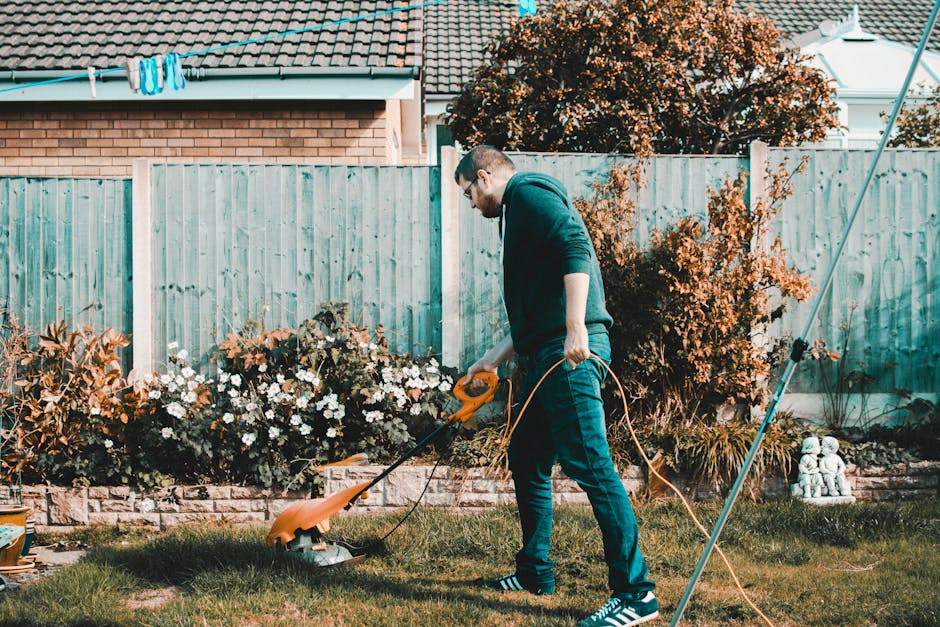
Hidden charges to avoid when hiring Stoke Newington gardeners
If you have ever asked for a gardening quote and then felt your stomach drop when the final bill arrived, you are not alone. Hidden charges to avoid when hiring Stoke Newington gardeners can turn a simple tidy-up into an awkward, expensive conversation. The good news? Most of these surprises are easy to spot once you know what to look for.
In Stoke Newington, gardens are often a bit of a mixed bag: compact terraces, long shared gardens, shady corners, awkward access, and the occasional jungle at the bottom of the plot. That means pricing can be fair and transparent, but it can also be padded with extras if you are not careful. This guide breaks down the common hidden costs, how to compare quotes properly, and the questions worth asking before anyone turns up with a mower, a van, and a vague invoice.
Whether you need a one-off tidy, regular maintenance, hedge cutting, or a bigger clearance, the aim is the same: know what you are paying for before the work starts. That way, you stay in control. Simple, really. Well, mostly.
Table of Contents
- Why hidden charges matter
- How hidden charges usually appear
- Key benefits of spotting them early
- Who needs this and when it makes sense
- Step-by-step guidance
- Expert tips for better results
- Common mistakes to avoid
- Tools, resources and recommendations
- Law, compliance, standards, and best practice
- Options, methods, and comparison table
- Case study or real-world example
- Practical checklist
- Conclusion
- Frequently asked questions
Why Hidden charges to avoid when hiring Stoke Newington gardeners Matters
Garden work looks straightforward from the outside. Cut the grass, trim the hedge, clear the beds, take away the waste. But in real life, the quote can change fast if the job includes green waste disposal, difficult access, extra labour, or specialist equipment. That is where hidden charges creep in.
For homeowners, landlords, and managing agents in Stoke Newington, the stakes are practical. A small front garden might only need an hour's work. A larger back garden, tucked behind a terrace with no direct access, can be a different story altogether. If the pricing is unclear, you can end up paying for things that should have been explained from the start.
It matters for trust too. A clear quote helps you compare like for like, and that is often where people go wrong. One gardener may seem cheaper until they add disposal fees, fuel surcharges, minimum call-out charges, or a "materials handling" line you never discussed. Another may look more expensive at first, but include everything. Which one is actually better value? Not always the cheapest. Not even close, to be fair.
If you are comparing garden services alongside other home maintenance, it can help to see how transparent providers structure their work. You may find it useful to look at related services such as tree surgery in London, lawn mowing, or broader gardening services to understand how different jobs are usually priced.
How Hidden charges to avoid when hiring Stoke Newington gardeners Works
Hidden charges usually appear in one of three ways: they are not mentioned at all, they are mentioned vaguely, or they are buried in wording that sounds harmless until the invoice lands. The job may begin as a tidy-up and end with line items for waste, extra time, access issues, and "additional labour".
Here is the typical pattern. A gardener gives a price over the phone or by message after hearing a short description of the job. That estimate sounds reasonable. Then, when they arrive, they discover the hedge is taller than expected, the green waste is more than "a few bags", or they need to wheel everything through a narrow side passage. Suddenly, the quote changes. Sometimes that change is fair. Sometimes it is not. The difference lies in whether those conditions were explained beforehand.
The most common hidden charges in local gardening work include:
- Waste disposal fees for soil, branches, turf, hedge clippings, or general green waste
- Minimum visit charges that make short jobs look cheap but cost more per hour
- Access surcharges if tools or waste must be carried through the house, alleyways, or shared entrances
- Heavy lifting or extra labour for overgrown plots, thorny clearances, or large volumes of debris
- Materials mark-ups for compost, mulch, topsoil, plants, or bark
- Fuel or parking costs added after the fact, especially in tightly parked streets
- Equipment hire for stump grinders, large cutters, shredders, or specialist tools
- Revisit fees if the work was split into multiple visits without clear agreement
Some gardeners work on a clear fixed-price basis. Others charge hourly. Both can be fair. The issue is not the pricing model itself; it is whether the final cost is predictable. A good provider explains what is included, what might change, and what counts as an extra. That is the part people often skip when they are eager to get started. And then, well, the invoice speaks for itself.
Key Benefits and Practical Advantages
Learning how to spot hidden costs gives you more than budget protection. It improves the whole hiring process. You make calmer decisions, ask sharper questions, and usually end up with a more professional gardener. Funny how that works.
Some of the main benefits include:
- Clearer budgeting so you know the real cost before anyone lifts a spade
- Better comparisons between one-off visits, regular maintenance, and seasonal work
- Fewer disputes because expectations are set early
- More efficient work when access, waste, and materials are agreed in advance
- Better long-term value because a transparent gardener often saves you money over time
There is also a practical advantage that gets overlooked: transparency usually signals professionalism. It does not guarantee perfection, of course. But when a gardener takes time to explain their pricing clearly, they are often thinking carefully about the job itself. That matters for anything from seasonal pruning to the kind of overgrown clearance that really should have happened a month earlier. You know the sort of thing. The patch at the back that looks like it has become self-governing.
If your project is more involved, such as tree work or a full garden reset, it can help to compare it against dedicated service pages like tree surgery in London and local gardening services so you understand what level of expertise and equipment should be included.
Who This Is For and When It Makes Sense
This matters for anyone hiring garden help in Stoke Newington, but a few groups feel the pain more sharply than others.
- Homeowners who want a tidy garden without surprise add-ons
- Landlords and letting agents managing move-out clears, pre-tenancy tidy-ups, or recurring maintenance
- Busy families who need a regular service and cannot chase every line item
- Older residents who may prefer a reliable, low-stress arrangement
- Flat owners with shared gardens where access and waste disposal can get messy fast
- Anyone with an overgrown or awkward plot where the quote can change if scope is not nailed down
It makes the most sense to focus on hidden charges before you book the work, not after the gardener has already loaded the van. That is the crucial moment. If a quote is vague, ask for clarification straight away. If you are booking seasonal work, such as hedge trimming or a spring clear-out, make sure the quote covers what the season tends to throw at the job: heavier waste, damp soil, and often more cutting than expected.
In our experience, the people who ask a few direct questions upfront almost always have smoother jobs. Not because they are being difficult. Because they are being sensible. There is a difference.
Step-by-Step Guidance
If you want to avoid unexpected gardening charges, use a simple process. Nothing fancy. Just a methodical approach that keeps the conversation clear.
- Describe the job properly
Give the gardener the best possible picture: garden size, access, waste volume, hedge height, and anything awkward such as narrow side access or steep steps. - Ask what the quote includes
Check whether labour, waste removal, petrol, parking, tools, and materials are all included. If not, ask what is extra. - Confirm the pricing model
Is it fixed price, hourly, half-day, or per job? Ask how overtime or additional work is handled. - Request a written breakdown
A message, email, or itemised quote is far better than a hazy phone estimate. It does not need to be formal, just clear. - Clarify waste disposal
Green waste is one of the biggest sources of surprise costs. Ask whether bags, removal, transport, and disposal are already included. - Agree on the scope before work starts
For example, say whether the job includes only mowing and edging, or also weeding, pruning, leaf clearance, and bed tidying. - Ask about access and delays
If the team needs to carry cuttings through the property or wait for keys, that can affect cost. Better to discuss it now. - Check for minimum charges
A 20-minute job may still be billed as a full visit. That is not wrong, but it should be explained. - Confirm payment terms
Ask when payment is due and whether card, bank transfer, or cash is expected. Also ask if deposits apply. - Keep the agreement
Save the quote and any messages. If the scope changes later, you have a clear reference point.
A small tip that saves a lot of grief: send photos. A few decent pictures taken in daylight can do more than a five-minute phone call, especially if the garden has hidden corners or heavy growth near the fence line. Morning light helps. So does honesty about the mess.
Expert Tips for Better Results
Here is the part people often skip, but it can make a real difference. The cheapest quote is not always the safest quote, and the most polished website does not automatically mean the gardener is transparent. So you have to listen for detail.
Ask follow-up questions, even if the answer feels obvious
"Does your price include waste removal?" is a good question. "What happens if there is more clippings than expected?" is even better. A confident gardener will answer plainly. If the answer turns slippery, that is a sign.
Watch for vague wording
Phrases like "subject to review", "plus extras", or "depending on site conditions" are not bad on their own. They are normal enough. But they need explaining. What conditions? What kind of extras? At what point does the price change? That detail matters.
Separate one-off jobs from regular maintenance
Regular garden maintenance is often easier to price because the work is predictable. One-off clearance jobs are more likely to carry hidden extras because the state of the garden can be unclear until someone sees it in person.
Think about seasonality
A summer tidy is often different from an autumn clearance. Wet leaves, broken stems, and extra growth can all affect time on site. If you are booking after a storm or at the end of a long neglected period, mention that clearly. It helps avoid those awkward "oh, I didn't realise" moments.
Use the quote as a conversation, not a trap
This is worth saying. Good gardeners are not trying to trick you, and you should not assume every unclear quote is dishonest. Sometimes it is just rushed admin. A polite, specific question usually sorts it out quickly.
If you need an ongoing visit pattern, it may also help to compare regular upkeep against more specialist work like lawn mowing or broader garden maintenance services, because the pricing logic is often different.
Common Mistakes to Avoid
Most bad experiences come down to a handful of predictable mistakes. They are easy to make, especially when you just want the job done.
- Accepting a verbal price with no detail and assuming it covers everything
- Forgetting to mention waste volume, especially for pruning or clearance jobs
- Not asking about parking or access, which can matter a lot in busy parts of Stoke Newington
- Assuming all gardeners price the same way when some work hourly and others use fixed packages
- Ignoring minimum charges for small or quick jobs
- Leaving scope vague by saying "just tidy it up" without explaining what tidy means to you
- Changing the brief halfway through without agreeing the new cost
One of the biggest traps is the phrase "while you're here, could you also..." It sounds harmless. It often is. But if you keep adding little tasks, the quote can drift. A hedge trim becomes a border clear, then a bit of digging, then a bag of soil, then suddenly the bill is different. Not because anyone is bad, just because the job expanded without being re-priced. That happens more than people think.
If the work involves trees, large woody waste, or structural pruning, you may want to check a more specialist route such as tree surgery rather than assuming a standard gardening visit will cover it. That distinction alone can prevent a lot of confusion.
Tools, Resources and Recommendations
You do not need complicated tools to protect yourself from hidden charges. A few simple habits are enough.
- Photos and short videos of the garden before work starts
- A written quote or message that lists what is included
- A simple checklist of the exact tasks you want done
- Measuring tape or rough dimensions for hedge length, lawn size, or access width
- Notes on access such as locked gates, side passages, or shared entrances
- Comparison quotes from more than one gardener, using the same brief each time
Useful recommendation? Keep your request short but specific. For example: "Front and back garden tidy, grass cut, weeds removed from beds, hedge trimmed, all waste taken away, please confirm whether disposal is included." That is far better than "Need garden done." Much easier for everyone.
If you are weighing different services, reading a broader overview of gardening services can help you understand what is normally standard, what counts as an extra, and what should be clearly agreed in advance.
Law, Compliance, Standards, or Best Practice
For most domestic garden jobs, the biggest issue is not complex law. It is clear communication and reasonable business practice. That said, there are a few sensible standards worth keeping in mind.
First, waste handling should be discussed properly. If a gardener removes green waste, they should be clear about where it goes and whether disposal is included in the price. You do not need a lecture on disposal law every time, but you do need clarity. That protects both sides.
Second, if a task involves working at height, heavy machinery, or tree-related work, it may require more specialist skills, insurance, or equipment than a general tidy-up. Do not assume a standard gardening quote covers everything from hedge topping to full tree reduction. In practice, those jobs are often priced differently for good reason.
Third, if you are hiring someone regularly, best practice is to set out scope, timing, access, payment terms, and any extras in writing. Nothing grand. Just enough to avoid the sort of misunderstanding that wastes everybody's afternoon.
Finally, if a quote feels too vague, trust that instinct. In a small local area like Stoke Newington, reputation and clarity tend to matter more than flashy sales talk. A decent provider will normally explain what is included and what would trigger extra cost. If they cannot, or will not, that tells you quite a lot.
Options, Methods, or Comparison Table
Different pricing methods suit different jobs. Here is a simple comparison to help you choose what feels fairest for your situation.
| Pricing method | Best for | Pros | Watch out for |
|---|---|---|---|
| Fixed price | Clear, well-defined jobs | Easy to budget; fewer surprises | Can exclude extras if the scope is not written down |
| Hourly rate | Unclear or variable jobs | Flexible; useful for exploratory work | Total cost can creep up quickly if expectations are vague |
| Half-day or day rate | Large clearances or bigger maintenance blocks | Good value for larger gardens | May not suit small jobs unless multiple tasks are bundled |
| Task-based pricing | Specific work like hedge cutting or lawn mowing | Simple to compare across quotes | Waste, access, and materials may still be extra |
For many homeowners, fixed pricing is easiest if the job is well defined. Hourly pricing can work too, especially for overgrown gardens where the extent of the work is uncertain. The trick is not the method itself. It is making sure the method matches the job.
Case Study or Real-World Example
A typical Stoke Newington scenario goes like this. A homeowner books a spring tidy-up for a small rear garden. On the phone, the garden sounds manageable: mow the lawn, remove weeds, trim a few shrubs, and clear debris. The quote seems fine.
When the gardener arrives, the job is more involved than expected. The lawn is patchy but overgrown, the shrub cuttings fill several bags, and the only access is through a narrow side passage with steps. The gardener then adds a waste fee and a labour uplift because the clearance takes longer than planned.
Was that a hidden charge? Maybe, maybe not. If those factors were genuinely not mentioned and the quote was given without seeing the garden, the extra cost may be understandable. But if the customer had shared photos, mentioned access, and asked whether disposal was included, the final price could have been much closer to the original estimate.
The lesson is simple. The more awkward the garden, the more specific you need to be. A quick walkaround, a couple of photos, and a written breakdown can save you a surprising amount of money. And quite a bit of irritation too.
Practical Checklist
Use this checklist before confirming a gardener in Stoke Newington.
- Have I described the exact tasks clearly?
- Did I send photos or mention the garden's condition?
- Is waste removal included in the price?
- Have I asked about parking, access, and carrying waste out?
- Do I know whether the quote is fixed or hourly?
- Have I checked for minimum visit charges?
- Are materials, fuel, and equipment hire included or extra?
- Do I know what happens if the work takes longer than expected?
- Is the agreement written down somewhere I can refer back to?
- Have I compared at least two quotes using the same brief?
Expert summary: The best protection against hidden gardening charges is not haggling. It is clarity. Clear scope, clear access details, clear waste terms, and a clear price model usually prevent most problems before they start.
Conclusion
Hidden charges to avoid when hiring Stoke Newington gardeners are usually not mysterious at all. They tend to show up where the job description is fuzzy, the waste is underestimated, or the pricing model is not explained well enough. Once you know the warning signs, you can ask the right questions and compare quotes with far more confidence.
That does not mean you need to overthink every small job. It just means being a bit more specific than you might be at first glance. A few plain questions now can save a lot of frustration later. And in a busy London neighbourhood, that kind of calm clarity is worth a fair bit.
If you want a smoother, more predictable experience, start with a written scope, ask what is included, and make sure the gardener understands the layout of your space. The right person will appreciate it. Honestly, most decent professionals do.
Get a free quote today and see how much you can save.
Clear pricing brings a lighter mind, and a better garden too.
Frequently Asked Questions
What hidden charges should I ask about first when hiring a gardener?
Start with waste removal, parking, access, materials, and whether the quote is fixed or hourly. Those are the most common places where extra charges appear.
Is waste disposal usually included in gardening quotes?
Not always. Some gardeners include green waste removal, while others charge separately for bags, transport, and disposal. Always ask before the work starts.
Why do some gardeners give a cheap quote and then add extras later?
Sometimes the job was described too loosely. Other times the quote was intentionally light on detail. A written breakdown helps you see whether the low starting price is genuine value.
Should I choose fixed-price or hourly garden work?
Fixed price works well for clearly defined jobs. Hourly pricing can suit unpredictable clearances. The best option depends on how clear the brief is and how overgrown the garden may be.
How can I tell if a quote is too vague?
If it does not explain labour, waste, access, and what counts as an extra, it is too vague. You should be able to understand what is included without guessing.
Do Stoke Newington gardens often have access issues?
Quite often, yes. Terraces, rear entrances, narrow side paths, and shared access can all affect how a gardening job is priced and carried out.
Can a gardener charge more if the job takes longer than expected?
Yes, if you agreed to hourly pricing or if the scope changes. That said, a good gardener should explain the price change before going ahead with extra work.
What should be written into a gardening quote?
The quote should ideally mention the tasks included, waste disposal terms, whether materials are extra, and any access or minimum charge conditions. Even a short email is better than nothing.
Are materials like compost or soil usually included?
Not automatically. Many gardeners charge separately for materials, especially if the type or quantity is not fixed in advance. Ask for the price before ordering anything.
How many quotes should I get before booking a gardener?
Two or three is usually enough for most domestic jobs. Make sure each gardener gets the same brief, or you will not be comparing like for like.
What if I only need a very small gardening job?
Small jobs can still carry minimum visit charges. A quick tidy may cost more than expected if the gardener has to allow for travel, setup, and disposal. Ask how short jobs are priced.
When should I use a specialist service instead of a general gardener?
If the work involves larger trees, heavy pruning, or specialist equipment, a more specialist service may be better suited. That often avoids pricing confusion and makes the job safer and more efficient.