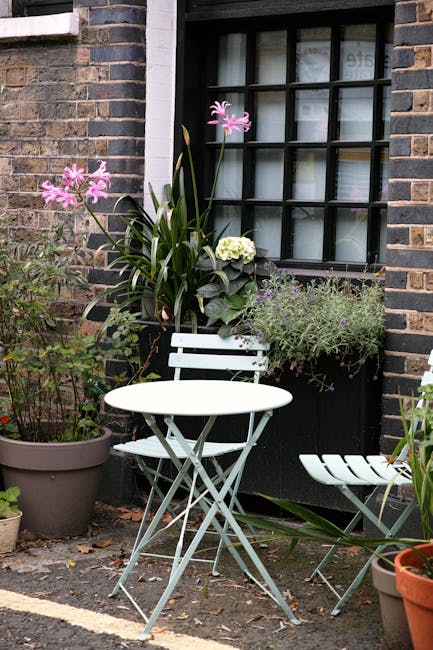
Church Street small business gardeners Stoke Newington: a practical guide for local businesses
If you run a shop, cafe, office, studio, or small commercial premises near Church Street, you already know the outside space matters more than people think. A tidy frontage, healthy planting, and a well-kept entrance can change how customers feel before they even step inside. That is exactly where Church Street small business gardeners Stoke Newington comes in: dependable, local garden care that supports the day-to-day look and feel of a business without making life complicated.
In a busy part of North London, outdoor spaces have to work hard. They need to look good on a rainy Monday, not just on a sunny Saturday. They need to cope with foot traffic, deliveries, shade, bins, awkward corners, and the usual London mix of dust, tree debris, and slightly unpredictable weather. This guide breaks down what small business garden services typically involve, how they work, what to look for, and how to make sensible decisions without getting bogged down in jargon.
Whether you are comparing providers, trying to understand what a maintenance visit should include, or simply wondering if regular garden care is worth it for a small premises, you will find the essentials here. And a few practical bits that tend to get missed, too.
Why Church Street small business gardeners Stoke Newington Matters
Small businesses on or around Church Street often live and die by first impressions. A frontage with overgrown pots, tired planters, or patchy weeds can quietly make a place feel neglected, even if the service inside is excellent. On the other hand, a clean border, clipped hedging, and seasonal planting can make a business look open, cared for, and ready.
That matters because outdoor presentation is not just about aesthetics. It affects wayfinding, customer confidence, staff morale, and the overall character of the premises. For hospitality businesses especially, the outside area is part of the brand. For offices and studios, it can signal calm and order. For retail, it can help the entrance feel welcoming rather than chaotic. Simple really, but easy to overlook.
Local knowledge also makes a difference. Church Street has its own rhythm: footfall changes during the day, bins and deliveries can create clutter, and some spaces have narrow access or shared boundaries. A gardener who understands that environment is usually better placed to work efficiently and keep disruption low. If you are looking beyond garden care and want a broader view of what can be covered, the services overview is a useful place to start.
Expert summary: for small businesses, garden maintenance is not just a cosmetic extra. It is part of how your premises feels, functions, and is judged by the people passing by. Keep it simple, regular, and suited to the space.
How Church Street small business gardeners Stoke Newington Works
In practical terms, small business gardening usually starts with a site visit or an initial conversation. The gardener looks at access, plant condition, soil, drainage, waste disposal, and the amount of regular upkeep needed. A tiny courtyard behind a cafe is a very different job from a row of planters outside a shop, so a one-size-fits-all approach rarely works well.
After that, the work is normally shaped around a maintenance plan. That might include mowing if there is turf, pruning, weeding, deadheading, edging, feeding, watering support, hedge trimming, seasonal planting, and clearing away green waste. Some businesses need weekly attention; others are fine with fortnightly or monthly visits, with extra work around spring and autumn.
There is also a trust side to it, which people sometimes forget. A small business often needs the gardener to arrive on time, work around opening hours, avoid blocking access, and leave the site tidy. Insurance, clear communication, and safe working methods matter here. If you are vetting a provider, pages like the insurance and safety information and the health and safety policy can tell you a lot about how seriously they take the work.
One small but important point: good maintenance is not always dramatic. Sometimes the best result is the one nobody notices because everything simply looks neat, balanced, and in control. To be fair, that is often exactly what a business wants.
Key Benefits and Practical Advantages
There are several reasons small businesses choose ongoing garden care rather than leaving outdoor spaces to fend for themselves. Some are obvious, some less so.
- Better curb appeal: A tidy exterior makes the business easier to trust at a glance.
- Lower stress: Regular upkeep prevents small issues from becoming costly, messy problems.
- More consistent presentation: Plants and borders look better when they are maintained little and often.
- Safer access: Clear paths and controlled growth reduce trip hazards and overhang.
- Seasonal flexibility: Good gardeners adjust work to the time of year instead of following a rigid script.
- Better use of space: Even a modest frontage can feel intentional and inviting with the right planting and pruning.
There is also a hidden commercial benefit: outdoor maintenance helps protect the time of your staff. If someone at the business is constantly doing odd jobs with a pair of tired shears between customers, that time adds up. Outsourcing can be more sensible than it first appears, especially for small teams.
And then there is the local reality. In parts of Stoke Newington, spaces can be compact and visible from the street. A neglected planter is noticed quickly. So is a carefully kept one. The difference is surprisingly loud, if you know what I mean.
Who This Is For and When It Makes Sense
This kind of service suits a wide mix of businesses. If your premises has any visible outdoor element at all, it may be relevant. That could include a front strip of planting, a courtyard, a small paved area with containers, a rear yard that needs occasional clearing, or communal green space around a commercial unit.
It tends to make the most sense for:
- independent retailers on Church Street and nearby roads
- cafes, bakeries, and restaurants with external seating or front planters
- offices and creative studios that want a tidy approach area
- small hospitality venues that need seasonal planting support
- landlords and managing agents responsible for smaller commercial gardens
- business owners who want the outside to look professional without hiring in-house help
It also makes sense if your current setup is patchy. Maybe someone in the team handles it when they can, but that means the garden only gets attention after it has already become scruffy. Maybe the planting looks nice in April but collapses by mid-summer because nobody has time to water properly. Those are classic signs that a regular small business gardening arrangement would help.
Truth be told, if you only notice the garden when it becomes a problem, you are already working harder than you need to.
Step-by-Step Guidance
If you are thinking about arranging gardening support for a business premises, a simple process keeps things clear. No mystery. No fluff.
- Walk the site properly. Look at the front, back, side access, planters, drainage, and any awkward corners.
- Separate cosmetic issues from maintenance issues. Some spaces need tidying; others need genuine recovery work.
- Decide how visible the area is. A highly visible frontage usually needs more frequent attention than a hidden yard.
- Set priorities. For example, is it more important to keep weeds down, keep planting healthy, or simply keep the entrance clean?
- Agree a schedule. Weekly, fortnightly, or seasonal visits should match the space, not the other way around.
- Confirm waste handling. Green waste should be removed or handled responsibly, especially where space is tight.
- Review after the first few visits. Good maintenance plans often need a small adjustment once the gardener has seen how the space behaves over time.
A lot of businesses skip step four, which is a shame. They ask for "garden maintenance" but never say whether the real issue is weeds, presentation, safety, or plant health. The best results usually come from being specific, even if the space is small.
If you are also comparing pricing, it helps to ask for a clear breakdown. The pricing and quotes page can help you understand how estimates are usually handled and what affects cost.
Expert Tips for Better Results
A few practical habits make a big difference to how well small business garden care works in real life. These are the sorts of things people only learn after a few seasons, usually the hard way.
- Choose plants that can cope with your conditions. Shady, windy, or container-only spaces need resilient planting, not wishful thinking.
- Keep edging and borders simple. Complicated planting schemes can look lovely, but they are harder to maintain in a busy commercial setting.
- Plan for holidays and dry spells. July heat or a week of missed watering can undo months of decent work.
- Use repetition thoughtfully. A few repeated plants or colours can make a small frontage look more cohesive.
- Don't overfill planters. Crowded pots often look good for about two weeks, then become a muddle.
One of the best decisions a small business can make is to keep the maintenance realistic. A handsome but high-maintenance scheme is only useful if someone actually has time to look after it. Otherwise it becomes another job on the list, and nobody needs that.
Small spaces benefit from restraint. A couple of strong containers, one clear path, and regular weed control can beat a fussy design that is always falling apart. Less, in many cases, is more. Not flashy, but solid.
For businesses that want a greener approach to disposal and materials, the recycling and sustainability information is worth a look too. It is a sensible way to think about clippings, waste reduction, and materials reuse.
Common Mistakes to Avoid
There are a few repeat mistakes that come up again and again with small commercial gardens. Most are easy to avoid once you know what to look for.
- Hiring only on price. Cheap is not always expensive, but very often it becomes expensive later through patchy work or extra fixes.
- Ignoring access limits. If tools, waste bags, or water access are awkward, the job needs planning from the start.
- Expecting one visit to solve everything. Some spaces need a clean-up first, then ongoing care after that.
- Forgetting seasonal change. What works in spring may need rethinking by late summer or winter.
- Not defining responsibility. Is the gardener watering? Is staff expected to do it between visits? If nobody knows, the plants will tell the story.
Another subtle mistake is not thinking about what happens after the work is done. A great visit can be wasted if the entrance is immediately cluttered again with bins, displays, or temporary storage. That is not a gardening problem exactly, but it affects the result all the same.
And yes, sometimes a plant dies because it was simply the wrong plant for the spot. Happens more than people admit.
Tools, Resources and Recommendations
For business garden care, the best tools are usually the boring, dependable ones. Sharp secateurs, proper edging tools, reliable mowers where turf exists, and sensible waste bags or containers. Fancy kit is not the point. Clean, consistent work is.
From a planning perspective, these are the most useful resources to have in place:
- a simple maintenance calendar for weekly, monthly, and seasonal tasks
- a note of who has access to gates, locks, or shared outside spaces
- a short list of priority plants or areas that matter most to the business image
- photos of the site before work begins, so improvements can be tracked honestly
- clear contact details for faster updates when something needs attention
It is also worth checking how a provider handles queries, payments, and service terms. For many small businesses, peace of mind matters just as much as the practical work. Useful supporting pages include the payment and security information and the complaints procedure, because clear admin is part of a professional service too.
If your premises has access needs, or if staff and visitors use the same entrance, it may also help to read the accessibility statement. That kind of detail can matter more than people expect.
Law, Compliance, Standards, or Best Practice
For small business garden care in the UK, the key thing is to work safely, responsibly, and with proper regard for the site. The exact legal position can depend on the premises, the job, and who is carrying it out, so it is sensible to be cautious rather than overstate things.
In practical terms, good practice usually means:
- risk-aware working around pedestrians, customers, and staff
- appropriate insurance for the work being carried out
- safe tool handling and sensible storage
- clear procedures for waste, slipping hazards, and access management
- respect for neighbouring businesses and shared spaces
If the work involves ladders, powered tools, or tight access, safety standards become even more important. A good provider should be able to explain their process in plain English. No waffle. Just clear answers.
It is also wise to check how a company approaches ethical sourcing and labour practices if that matters to you as a business. For broader values and governance, the modern slavery statement may be relevant as part of due diligence, especially for organisations that want to document supplier standards carefully.
And if you are comparing providers, make sure insurance, safety, and complaint handling are not buried somewhere impossible to find. That is usually a sign to slow down and ask more questions.
Options, Methods, or Comparison Table
There is more than one way to look after a small commercial garden. The right method depends on the space, budget, and how visible the area is. Here is a simple comparison to make decision-making a bit easier.
| Approach | Best for | Advantages | Limitations |
|---|---|---|---|
| One-off tidy-up | Overgrown or neglected spaces | Fast reset, useful before events or re-openings | Does not prevent the problem returning |
| Regular maintenance visits | Frontages, planters, courtyards, and visible business spaces | Consistent presentation, easier planning | Needs an ongoing budget |
| Seasonal care only | Low-use or low-visibility spaces | Cost-effective for simple sites | Can be too little for busy customer-facing areas |
| Mixed in-house and external support | Businesses with limited internal help | Flexible and often practical | Needs good communication to avoid gaps |
For most Church Street businesses, regular maintenance tends to be the sweet spot. Not because it is fancy, but because it keeps the frontage steady. No dramatic rescue jobs. No frantic clearing before a busy weekend. Just a space that stays presentable.
Case Study or Real-World Example
Imagine a small independent cafe near Church Street with two large front planters, a narrow paved entry, and a tiny rear yard used for storage. In spring, the planters look promising. By midsummer, one side has weeds, the trailing plants have become untidy, and the back yard has started collecting swept-up debris because nobody has time to deal with it properly.
The owner does not need a huge landscaping project. What they need is a practical plan: a tidy-up visit, a short reset of the planters, a simple seasonal planting choice that can handle London conditions, and a regular maintenance schedule that fits around opening hours. Maybe once a week for the visible frontage, with less frequent care for the rear area.
After the first few visits, the space becomes easier to manage. Staff spend less time apologising for the front step. Customers arrive to a tidier entrance. The business looks more put together without needing constant attention. That is the real value here. Not perfection. Just consistency.
And if you have ever tried to do that job yourself at 8:30 in the morning with a coffee in one hand and a bin bag in the other, you will know exactly why outsourcing starts to make sense.
Practical Checklist
Use this checklist before you book or review any small business gardening support near Church Street.
- Have you walked the full site, including side access and rear spaces?
- Do you know what matters most: appearance, plant health, safety, or all three?
- Have you agreed how often the space needs attention?
- Is waste removal clearly understood?
- Do staff need to provide access, watering, or keyholding support?
- Are there any opening-hour restrictions or customer-flow issues?
- Have you checked insurance and safety arrangements?
- Do you know who to contact if something needs quick follow-up?
- Have you asked for clear pricing and what is included?
- Do you have a simple way to review the result after the first month?
Quick reminder: the best garden service for a small business is the one that fits the business, not the one that sounds most impressive in a brochure.
Get a free quote today and see how much you can save.
Conclusion
Church Street small business gardeners Stoke Newington play a practical role that goes beyond keeping things neat. They help create a better first impression, reduce hassle, support safety, and make outdoor spaces feel intentional rather than accidental. For small businesses, that can be a quiet but powerful advantage.
If you are choosing a service, focus on fit: local understanding, clear communication, safe working, sensible pricing, and a maintenance plan that matches the reality of your space. The fanciest option is rarely the best one. The best one is the one that turns up, does the work properly, and keeps the frontage looking cared for week after week. That is what people notice, even if they do not say it out loud.
And if the garden has been bothering you for a while, there is something reassuring about getting it sorted. Small win, but a real one.
Frequently Asked Questions
What do Church Street small business gardeners in Stoke Newington usually do?
They normally handle the regular care of small commercial outdoor spaces, such as planters, frontages, courtyards, borders, hedges, and tidy-up work. The exact service depends on the premises.
How often should a small business garden be maintained?
It depends on how visible and active the space is. A customer-facing frontage may need weekly or fortnightly attention, while a quieter yard might only need seasonal or monthly care. There is no single rule that suits every site.
Is small business garden maintenance different from domestic gardening?
Yes, often it is. A business space needs to look presentable at predictable times, work around foot traffic, and sometimes meet safety or access expectations. The focus is often on consistency and low disruption.
Can a gardener help if my business space is very small?
Absolutely. In fact, small spaces often benefit most from expert attention because tiny areas can look messy very quickly. A few well-chosen plants and regular care can make a big difference.
What should I ask before booking a gardener for my business?
Ask what is included, how often they recommend visits, whether waste is removed, how they handle safety, and whether they have suitable insurance. It is also worth asking how they communicate changes or issues.
How much does commercial garden maintenance cost?
Costs vary depending on the size of the site, access, frequency, and the type of work needed. A one-off tidy-up is different from ongoing maintenance. A clear quote is usually the best way to compare options.
Do I need regular maintenance if my business only has planters?
Probably, yes, if those planters are visible to customers. Planters can look great, but they dry out, get weedy, and become untidy faster than people expect. They need real upkeep.
What happens to green waste?
That depends on the service arrangement, but responsible disposal or recycling should be part of the conversation. If sustainability matters to your business, ask about waste handling before work begins.
How do I know if a gardener is trustworthy?
Look for clear contact details, transparent pricing, sensible policies, and a professional approach to insurance and safety. A trustworthy provider is usually happy to explain their process plainly.
Can garden work be scheduled around shop hours or customer opening times?
Yes, usually. Many small business gardening jobs are arranged to reduce disruption, especially for shops, cafes, and studios with steady footfall. Good planning makes this much easier.
What if I am not sure whether my premises needs garden maintenance or a one-off tidy-up?
Start with a simple assessment of the space. If it is mainly overgrown or messy, a tidy-up may be enough at first. If the area needs to stay neat all year, ongoing maintenance is usually the better option.
Where can I find more details about service terms and support?
Useful supporting pages include the services overview, pricing and quotes, insurance and safety information, and complaints procedure. These help you understand how the service is structured and what to expect.